All rights go to ©ScottCawthon and ©FabianF.

"William Aftons' Sins" was a project I was working on at the time, a Five Nights' at Freddys' inspired short film planned to be 5 to 8 minutes in length, showing off how Scott Cawthons' style of Animation can also work in motion. However, this was way too ambitious for one person as it included all parts of the animation pipeline. So, it was put on ice.

Development Timeline

Character Rig

Before any animation could take place, it was important to rig the character, as Fredbear is a machine, the rig heavily relied on constraints for pistons and mechanichal joints.
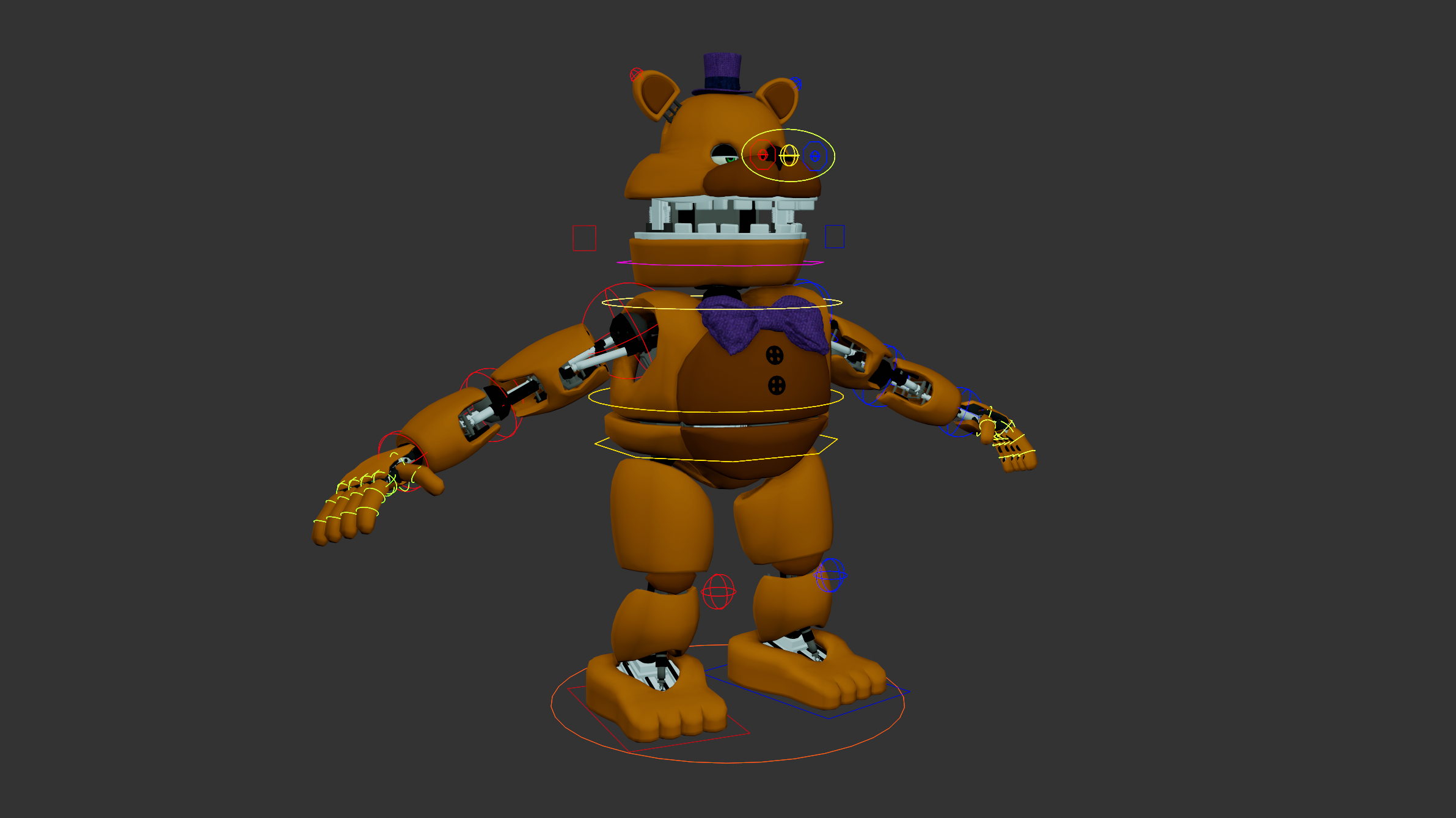
Considering the challanges, the rig was quite straight forward from beginning to end. The result was this Rig test:

During development, the design and mechanics of the hand changed quite drastically, which is why a seperate animation test was needed to verify functionality.
LookDev

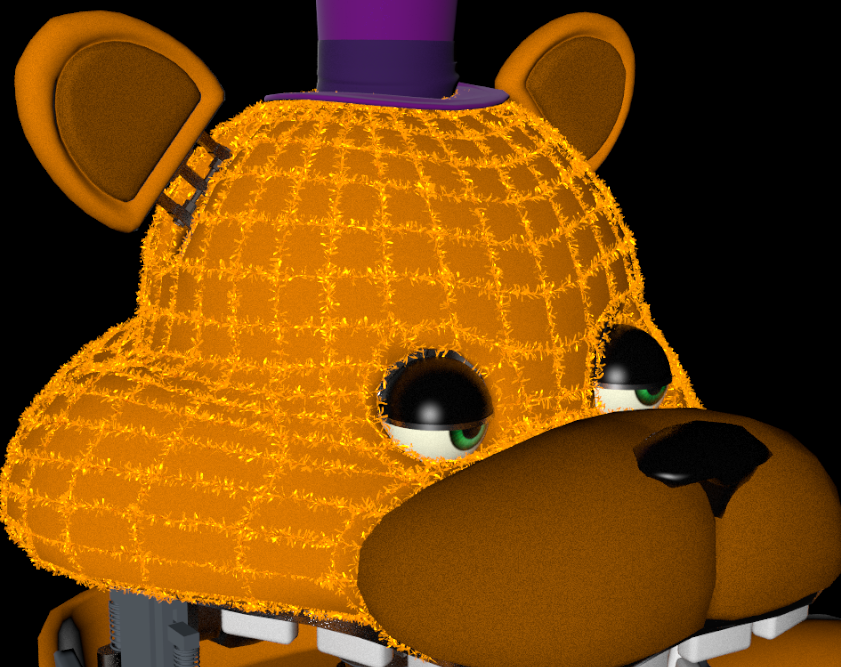
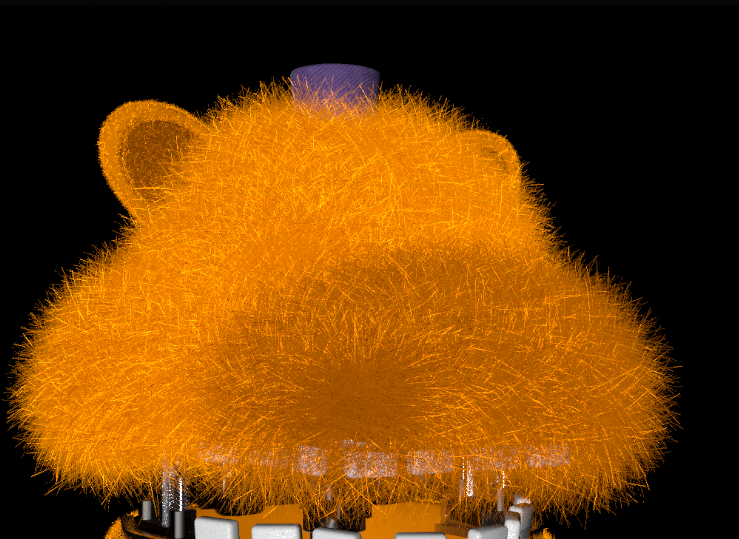
With rigging done, it was time to work with Hair simulation, as this played into rigging and surfacing, it was important to understand how it would impact the overal pipeline from animation to final image.

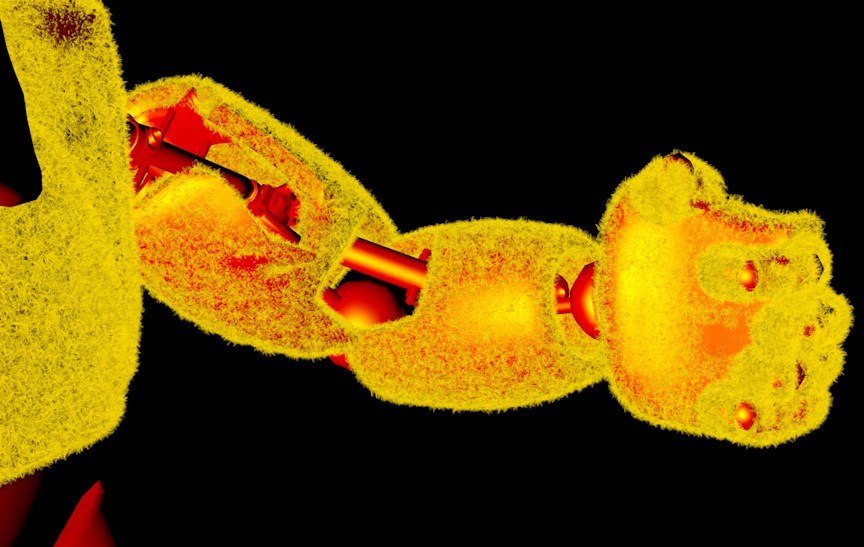
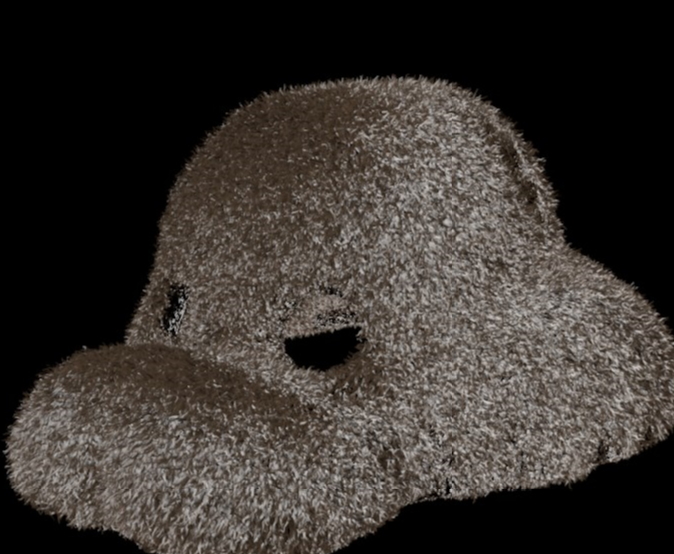
At first, the simulation work caused many unusual behaviours under motion as seen bellow:

Development Timeline

Reference

The purpose of this test was to understand how Fredbear should move as this was quite a hot topic for me at the time. Making Fredbear too mechanical might make the viewer feel as if they are just watching a robot move but finding the right belance between mechanical movement and human acting choices was tough.

To start, I planed out the rough composition for the shots by using a plush and my phone, this was most logical to me at the time as I did not have any experience with storyboarding yet.

Layout

Once I was happy with my reference, I did the layout for the sequence I wanted to animate.

This means, putting the characters in the scene, adding cameras and deciding how long which shot and movement should take.

Extra

Additionally, a small part of the sequence was rendered out to see how it would hold up with simulation.